How Long to Keep Documents: Keep or Shred?
How long to keep tax records and household documents: the IRS's 3, 6 and 7-year rules, property records, papers to keep for life, and how to shred the rest safely.
“My paycheck used to vanish the day after payday. Here's how I survive now.”
- Best for
- Anyone with a pile of old paperwork · First-time tax filers · Homeowners
- When to use
- After you file your taxes each year, or before a move or a big clean-out.
Theology · Scripture Cards
Open a scripture card
Already read and shared by 324 people.
 Look and Live
Numbers 21:8-9
Yahweh said to Moses, “Make a venomous snake, and set it on a pole. It shall happen that everyone who is bitten, when he sees it, shall…
Read this card
 The Lord, He Is God
1 Kings 18:38-39
Then Yahweh’s fire fell and consumed the burnt offering, the wood, the stones, and the dust; and it licked up the water that was in the…
Read this card
 This Is My Beloved Son
Matthew 3:16-17
Jesus, when he was baptized, went up directly from the water: and behold, the heavens were opened to him. He saw the Spirit of God…
Read this card
 While He Was Still a Long Way Off
Luke 15:20, 22
“He arose and came to his father. But while he was still far off, his father saw him and was moved with compassion, and ran, fell on his…
Read this card
 Water from the Rock
Exodus 17:6
Behold, I will stand before you there on the rock in Horeb. You shall strike the rock, and water will come out of it, that the people may…
Read this card
 I Know That My Redeemer Lives
Job 19:25
But as for me, I know that my Redeemer lives. In the end, he will stand upon the earth.
Read this card
 Twelve Baskets Left Over
John 6:11, 13
Jesus took the loaves, and having given thanks, he distributed to the disciples, and the disciples to those who were sitting down, likewise…
Read this card
 Bread from Heaven
Exodus 16:4
Then Yahweh said to Moses, “Behold, I will rain bread from the sky for you, and the people shall go out and gather a day’s portion every…
Read this card
Key Takeaways
- The IRS's general rule is 3 years after filing.
- Longer periods apply: 6 years for unreported income over 25%, 7 years for bad debt or worthless securities.
- Keep property records until the limitations period ends for the year you sell.
- Birth certificates, Social Security cards, passports and estate papers are keep-for-life documents.
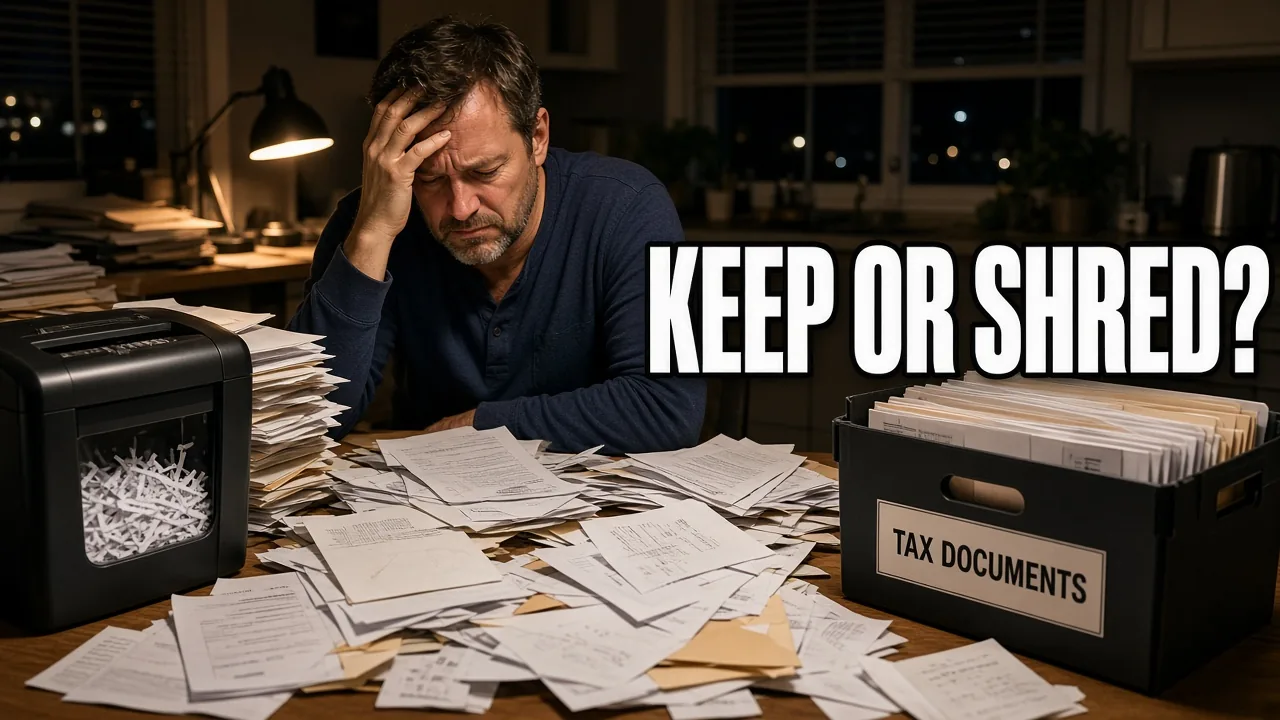
Is that shoebox of old tax papers protecting you or just taking up a closet shelf? Knowing what to keep, and for how long, lets you shred with confidence and find the right paper fast when you need it.
This guide starts with the IRS rules, then covers the household papers worth keeping for good.
Tax records: the IRS timelines
The IRS says you generally must keep records that support income, deductions or credits on a tax return until the period of limitations for that return runs out. Here is how the IRS breaks it down:
| Your situation | How long the IRS says to keep records |
|---|---|
| Most people, most years | 3 years |
| You file a claim for a credit or refund after filing | 3 years from filing, or 2 years from paying the tax, whichever is later |
| You claim a loss from worthless securities or a bad debt deduction | 7 years |
| You did not report income that is more than 25% of the gross income on your return | 6 years |
| You did not file a return, or filed a fraudulent one | Indefinitely |
| Employment tax records (if you have employees) | At least 4 years |
The IRS also notes that returns filed before the due date are treated as filed on the due date, and it recommends keeping copies of your filed tax returns themselves.
Property records: keep until you sell, then some
For a home, car or investments, the IRS says to keep records until the period of limitations expires for the year you sell or otherwise dispose of the property. That means purchase papers and improvement receipts often stay with you for many years.
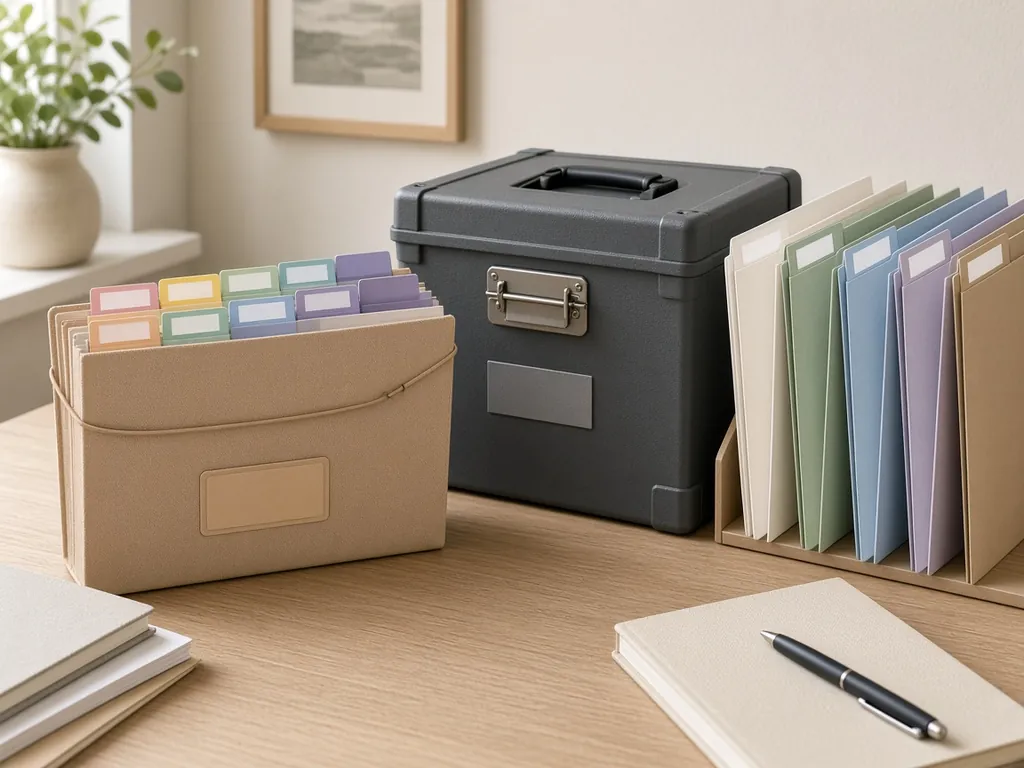
Those records help you figure your gain or loss when you sell. A folder per property makes this simple.
Papers to keep for life
- Birth certificates, Social Security cards and passports.
- Marriage, divorce and adoption records.
- Military discharge papers.
- Wills, powers of attorney and estate papers.
- Records of retirement account contributions that may matter at withdrawal.
Store originals in a secure, fire-resistant place and keep scanned copies somewhere safe in case the originals are lost.
The IRS adds an important caution: before you discard records you no longer need for taxes, check whether you must keep them longer for other reasons. Insurance companies or creditors may require you to hold them longer.
Loan papers are a good example. Keep the payoff letter after you finish paying off a car or student loan.
Monthly papers: a simple rule of thumb
For bank and card statements, utility bills and pay stubs, many people keep them until they have checked them against the next statement or their annual tax forms. Anything that supports a deduction or tax figure moves into that year's tax folder and follows the IRS timeline above.
Receipts for big purchases belong with the warranty for as long as the warranty lasts.
How to get rid of the rest safely
- Shred anything that shows your Social Security number, account numbers or signature.
- Use a cross-cut shredder or a community shred event.
- Before you shred paper statements, confirm you can still download them online.
Sources: Internal Revenue Service, How long should I keep records?. Last reviewed November 15, 2026.
If this saved you a headache, it might save a friend one too.
Pick an app — it just sends the link, nothing else.
Frequently Asked Questions
How long should I keep my tax returns?
The IRS says to keep supporting records for 3 years in most cases, with longer periods in specific situations. It also recommends keeping copies of your filed returns.
When does the IRS say to keep records for 7 years?
When you file a claim for a loss from worthless securities or a bad debt deduction.
How long should I keep home purchase records?
The IRS says keep property records until the period of limitations expires for the year you sell or dispose of the property, because they help figure your gain or loss.
Can I throw away records once the IRS period ends?
Check first. The IRS notes that insurance companies or creditors may require you to keep some records longer.
What's the safest way to get rid of old documents?
Shred anything with your Social Security number, account numbers or signature, using a cross-cut shredder or a community shred event.