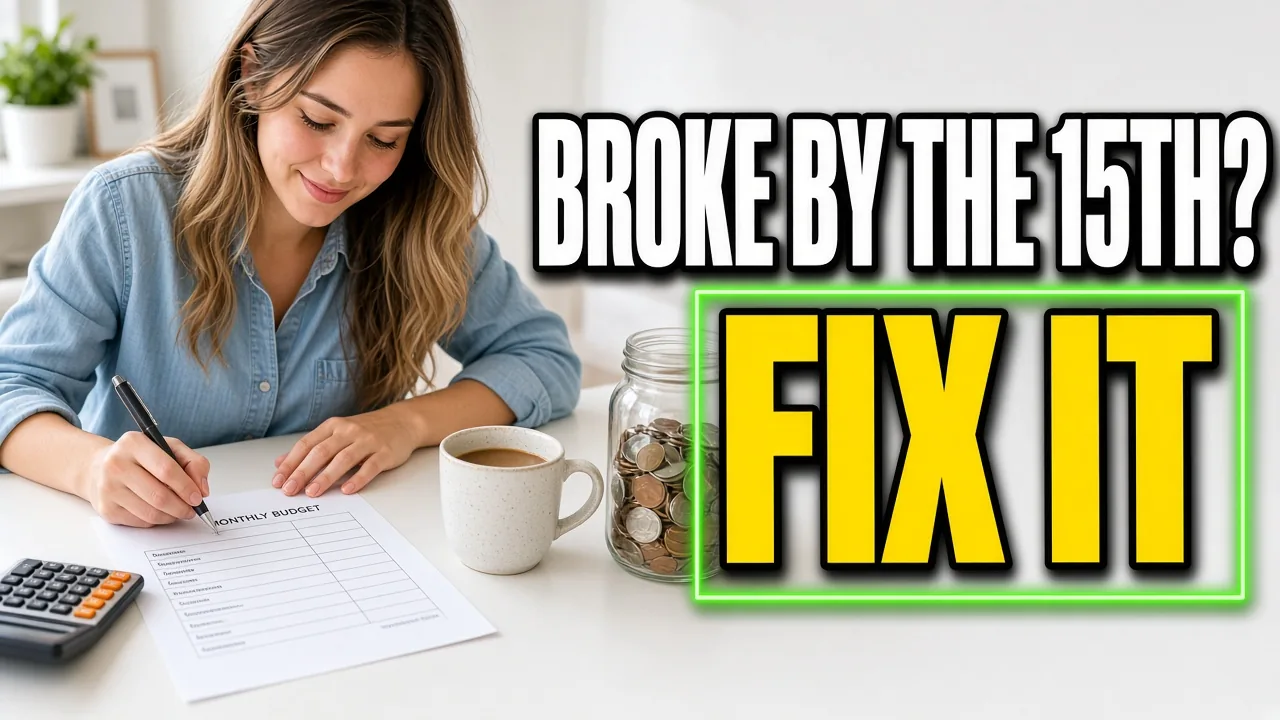
Broke by the 15th? How to Make a Simple Monthly Budget
How to make a simple monthly budget that sticks, using the CFPB's free Your Money, Your Goals worksheets: take-home pay, bills by due date, three buckets and weekly reviews.
“My paycheck used to vanish the day after payday. Here's how I survive now.”
- Best for
- First-time budgeters · Students and new grads · Anyone who runs short before payday
- When to use
- On your next payday, then for 10 minutes every week.
Theology · Scripture Cards
Open a scripture card
Already read and shared by 324 people.
 A Fourth Walking in the Fire
Daniel 3:25
He answered, “Look, I see four men loose, walking in the middle of the fire, and they are unharmed. The appearance of the fourth is like a…
Read this card
 Water from the Rock
Exodus 17:6
Behold, I will stand before you there on the rock in Horeb. You shall strike the rock, and water will come out of it, that the people may…
Read this card
 The Lord, He Is God
1 Kings 18:38-39
Then Yahweh’s fire fell and consumed the burnt offering, the wood, the stones, and the dust; and it licked up the water that was in the…
Read this card
 Until He Finds It
Luke 15:4, 6
“Which of you men, if you had one hundred sheep and lost one of them, wouldn’t leave the ninety-nine in the wilderness and go after the one…
Read this card
 In the Name of the Lord
1 Samuel 17:45, 47
Then David said to the Philistine, “You come to me with a sword, with a spear, and with a javelin; but I come to you in the name of Yahweh…
Read this card
 Not My Will, but Yours
Luke 22:42
saying, “Father, if you are willing, remove this cup from me. Nevertheless, not my will, but yours, be done.”
Read this card
 While He Was Still a Long Way Off
Luke 15:20, 22
“He arose and came to his father. But while he was still far off, his father saw him and was moved with compassion, and ran, fell on his…
Read this card
 This Is My Beloved Son
Matthew 3:16-17
Jesus, when he was baptized, went up directly from the water: and behold, the heavens were opened to him. He saw the Spirit of God…
Read this card
Key Takeaways
- Budget from take-home pay, and from your lowest typical month if income varies.
- List bills by due date and match each to a paycheck.
- Pay must-pay bills first and move savings on payday.
- Review for 10 minutes weekly; adjust the plan, not just your willpower.
Does your paycheck land, and by the 15th you are already wondering where it went? A budget fixes that, and it doesn't need an app subscription or a finance degree. It needs one honest hour and a simple worksheet.
Here is a beginner-friendly way to build a monthly budget that you will actually keep using.
Start with a free, trusted worksheet
The Consumer Financial Protection Bureau (CFPB) publishes free budgeting tools in its Your Money, Your Goals toolkit. It includes a budget worksheet and a cash flow tool for tracking money week by week.
Print it or copy the categories into a notes app. The format matters less than doing it every month.
Step 1: Write down what actually comes in
Use take-home pay, the amount that hits your account after taxes and deductions. Add side income, benefits or support you can count on.
If your income changes month to month, budget from your lowest typical month. Anything above that becomes a bonus for savings or debt.
Step 2: List your bills by due date
The CFPB's cash flow approach looks at timing, not just totals. Write each bill next to the day it is due, then match it to the paycheck that covers it.
That one change explains why many people feel broke mid-month even when the monthly math works: two big bills land before the second paycheck.
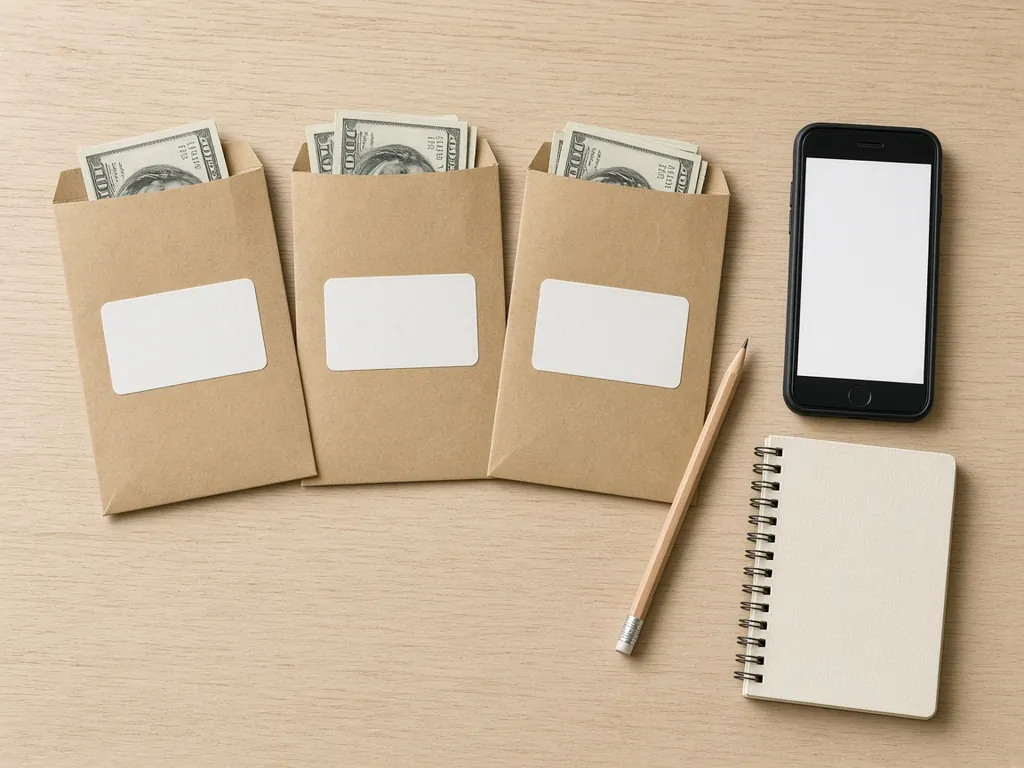
Step 3: Sort spending into three buckets
| Bucket | Examples | Your move |
|---|---|---|
| Must-pay | Rent, utilities, insurance, minimum debt payments, groceries, transportation | Pay these first, every month |
| Flexible | Eating out, shopping, streaming, rideshares | Set a weekly limit you can see |
| Future you | Emergency savings, extra debt payments | Move money here on payday, before spending |
Look at your last two months of bank and card statements to fill in real numbers. Guesses are almost always too low for food and small purchases.
Circle every subscription you see. Cancel anything you haven't used in the last month, then add up what you just freed.
Step 4: Build a small emergency cushion first
Unexpected costs, like a car repair or a medical bill, are what usually break a budget. Start with a modest goal you can reach in a few months, set up an automatic transfer on payday, and grow it from there.
Keep it in a separate savings account so it is not mixed with spending money.
Step 5: Review weekly for one month
- Pick a 10-minute weekly check-in, same day every week.
- Compare what you spent with your plan in each bucket.
- Adjust the plan, not just your willpower. Realistic numbers stick.
- Celebrate small wins, like the first month you end with money left.
The CFPB toolkit has more worksheets for goals, debt and bill calendars when you are ready for the next step.
Sources: Consumer Financial Protection Bureau, Your Money, Your Goals toolkit, Budget worksheet and Creating a cash flow budget. Last reviewed November 15, 2026.
Found this helpful? Share it with a friend who’s dealing with the same mess.
Pick an app — it just sends the link, nothing else.
Frequently Asked Questions
What's the easiest way to start a budget?
Write down your take-home pay, list your bills with due dates, and sort the rest of your spending into must-pay, flexible and savings. The CFPB's free budget worksheet walks you through it.
Why do I run out of money before payday?
Often it's timing, not totals: big bills land before the next paycheck. A cash flow view that matches bills to paychecks, like the CFPB's cash flow tool, shows where the gap is.
How do I budget with irregular income?
Plan from your lowest typical month, and treat anything above it as extra for savings or debt.
Do I need a budgeting app?
No. A printed worksheet, a spreadsheet or envelopes work as well. Choose the method you will actually check every week.
Where can I find a free budget worksheet?
The Consumer Financial Protection Bureau publishes free worksheets in its Your Money, Your Goals toolkit at consumerfinance.gov.